The Robotaxi Report

What it costs to run a robotaxi

Four ways to manage a privately owned Cybercab, priced as one whole month, with every formula shown.

A two-seat Cybercab show car in profile with its doors raised

Published by DockDuty, which sells one of the four models compared here. Rates checked November 12, 2026.

The car is the easy part

A robotaxi still needs a place to sleep, power, cleaning between riders and someone to call when it stops in the wrong place. Who does that work, and how you pay for it, decides what is left of the fare.

4management models, priced the same way
$6,429DockDuty's modeled fares per car per month, an example, not a forecast
Nov 122026, the day every rate was last checked
Unknownthe network's cut, left out of every model equally

Four ways to run it

Every model below is offered or published today, though none is running privately owned robotaxis yet. Each is described by what you pay and what stays your job.

Run it yourself

For one car, parked at home, with an owner who has the time.

$270per car per month in cash, plus your hours

You pay
Electricity and parking, at whatever they cost you.
Included
Nothing. You clean it, charge it and fetch it.
Still your job
Every interior check, every stuck ride, every night.

Software plus pay per visit

For owners who want to buy services one job at a time.

$1,467per car per month at the default assumptions

You pay
A software fee per car ($27 to $39 a month by fleet size, or $29 for the first six months in launch cities), each routine visit ($15 grouped, $25 solo), each $55 service stop, plus parking and charging billed separately.
Included
The app, and the jobs you book.
Still your job
Arranging parking and charging, booked through the platform or on your own, at separate cost.

Depot plus percentage

For owners who want the car to live somewhere staffed. This is DockDuty's model.

$1,514per car per month at $6,429 in fares

You pay
$475 to $550 a month per stall, plus 13% to 15% of ride revenue, both falling as the fleet grows.
Included
An assigned stall, electricity with no markup, cleaning and readiness, staging, dispatch coordination and 24-hour incident response.
Still your job
Parts and repairs, which are billed to you.

All-in flat fee

For owners who want one fixed bill and the repairs inside it.

$2,375per car per month, plus a $125 Tesla reserve

You pay
$2,375 per car per month, the published launch rate of one Columbus, Ohio operator, plus a $125 a month Tesla service reserve.
Included
Parking, DC charging up to 800 kWh, up to 26 interior resets, 4 deep cleans and 8 exterior washes, and routine servicing.
Still your job
Anything past the caps, and Tesla-only work, passed through at cost.

Set your month

Move the two sliders. Everything else is a published rate or an assumption you can change below.

Before the network takes its share. $6,429 is DockDuty's modeled gross fares per car at 65% utilization, an example, not a forecast.

Change the assumptions

Visit counts, electricity and parking follow the defaults of a published per-visit calculator (2.5 visits a day at 65% availability, less service stops; $10 a day of electricity at 65%). Its $29 launch-city rate is not applied. Electricity and parking are already inside the depot retainer and the flat fee, so they only change the first two models.

Your monthly bill, per car

At these numbers, pay per visit costs $47 a car less than the depot retainer. Below $6,110 in fares, the retainer is cheaper.

Run it yourselfcash only, not your time
$270
Pay per visit$39 software tier
$1,467
Depot retainer$550 + 15% tier
$1,514
All-in flat feerepairs included
$2,375
Whole fleet, per month
ModelFormula per carFleet total
Run it yourselfelectricity + parking$540
Pay per visitsoftware + visits × blended rate + stops × $55 + parking + electricity$2,933
Depot retainerretainer + percentage × fares$3,029
All-in flat fee$2,375$4,750

The depot percentage is applied to the full fare, before the network's share, the same way DockDuty's own calculator applies it. Not included anywhere: the car, financing, insurance, registration and the network's cut. Parts and repairs are extra in every model except the flat fee. These are projections from published rates, not quotes.

Where does it sleep?

The first question to ask any operator, not the last.

Four questions to ask

Ask every operator the same four things before you put down a deposit. Here is what a straight answer sounds like, and ours, since we publish this page.

Where the car sleeps

"At 2 a.m., where is my car parked, and who can get to it?"

Listen for a named site with an address and controlled access. "Wherever you find parking" means the night is still your problem. Ours: an assigned stall at a DockDuty depot. Orlando is the lead market, with the first depot targeted for Q4 2026 or Q1 2027.

Who answers when it stops

"A rider leaves a bag, or the car stops in a fire lane. Who goes, and how fast?"

Listen for a person on call around the clock, not a ticket queue. Ours: 24-hour incident response is part of the retainer.

What happens to your deposit

"If you never open a site near me, do I get my money back?"

Listen for refundable on request, in writing, with no window to miss. Ours: the $450 deposit per stall is refundable at will until onboarding, then credited against the $1,000 onboarding fee.

How many cars they run today

"How many owners' cars are in your care right now?"

Listen for a number, and a straight one. This market is new, and most operators, us included, are taking reservations rather than running fleets. Ours: no depot is open yet and no client vehicle is in our care. An operator who will not give you a number is telling you something too.

Plain answers

Do these numbers include the network's cut?

No. Tesla has not published owner-participation terms, so the share a ride-hailing network keeps is unknown. It is left out of every model equally, so the comparison between models still holds. Whatever the cut turns out to be, it comes off your side of the ledger, not the operator's.

Is a percentage or a per-visit fee cheaper?

It depends on your fares and your fleet size. A percentage falls when fares fall, so it costs less in a slow month. Per-visit pricing stays flat as fares rise, so it costs less in a busy one.

At the default assumptions, the crossover for one or two cars is about $6,110 in monthly fares. From seven cars up, the depot rate drops to $475 plus 13%, and the crossover moves to about $7,600 to $7,630.

What is never included?

The car and its financing, your commercial insurance and registration, in every model. Parts and repairs are billed separately in every model except the all-in flat fee, which bundles routine repairs up to its stated limits.

Why not just run it myself?

For one car with a home charger and a flexible schedule, it is the cheapest in cash, and we say so in the calculator. The cost is your time: every cleaning, every lost item and every stuck ride is yours, at any hour, and the car earns nothing while it waits for you.

Is any operator here affiliated with Tesla?

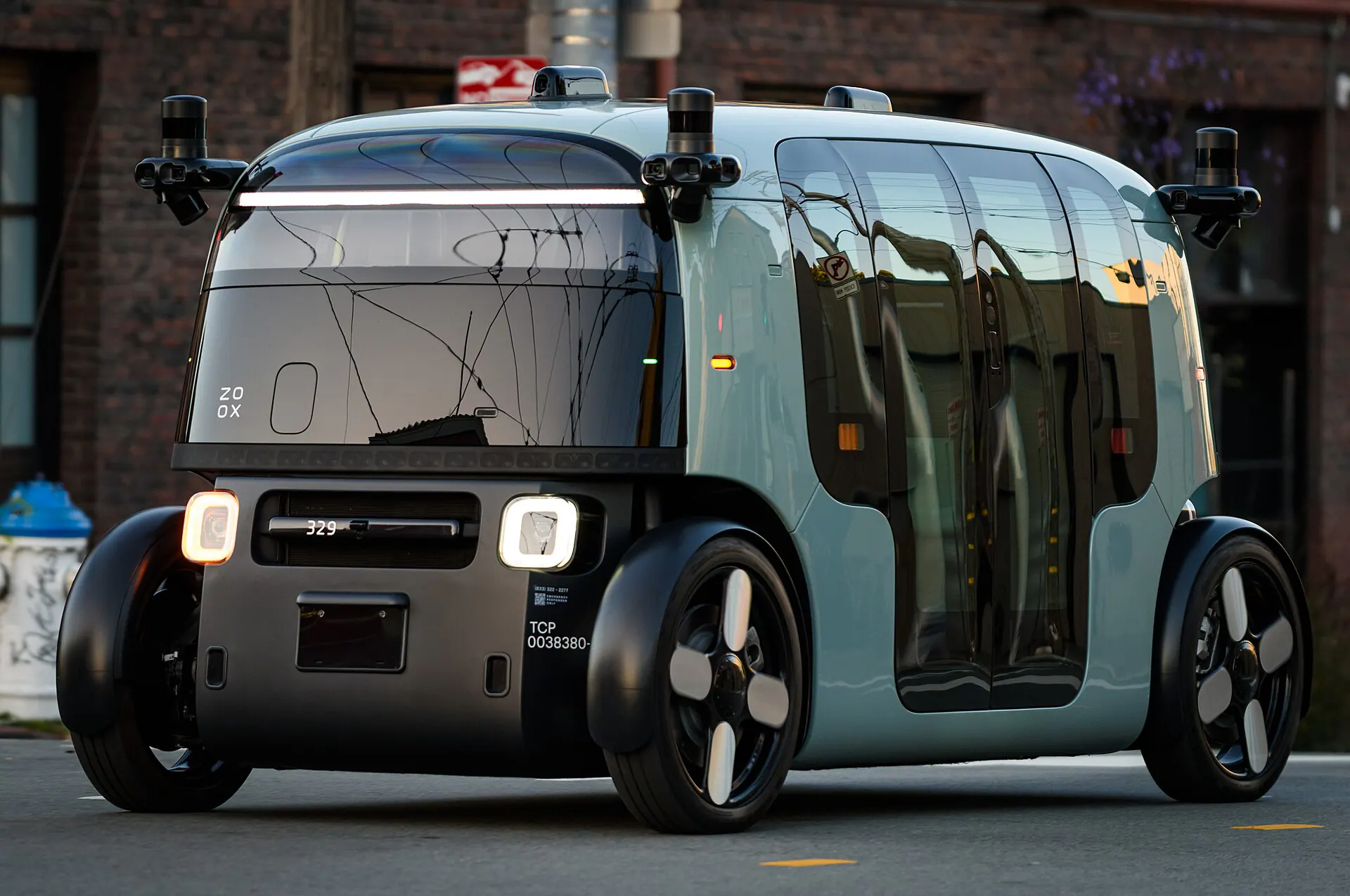
No. DockDuty: Not affiliated with, endorsed by, sponsored by, or partnered with Tesla, Inc.; "Tesla" and "Cybercab" are trademarks of Tesla, Inc., used here for descriptive reference only. The photographs show Cybercab show cars on public display.

Who publishes this page?

DockDuty, which sells the depot retainer model. We have tried to make that matter as little as possible: every rate is a published one, every formula is on the page, and the percentage is applied to the full fare. Where another model costs less, the calculator says so.

Every DockDuty fee, line by line

The full rate card shows each fee and what it buys. Or reserve a stall with a $450 deposit, refundable on request until onboarding.

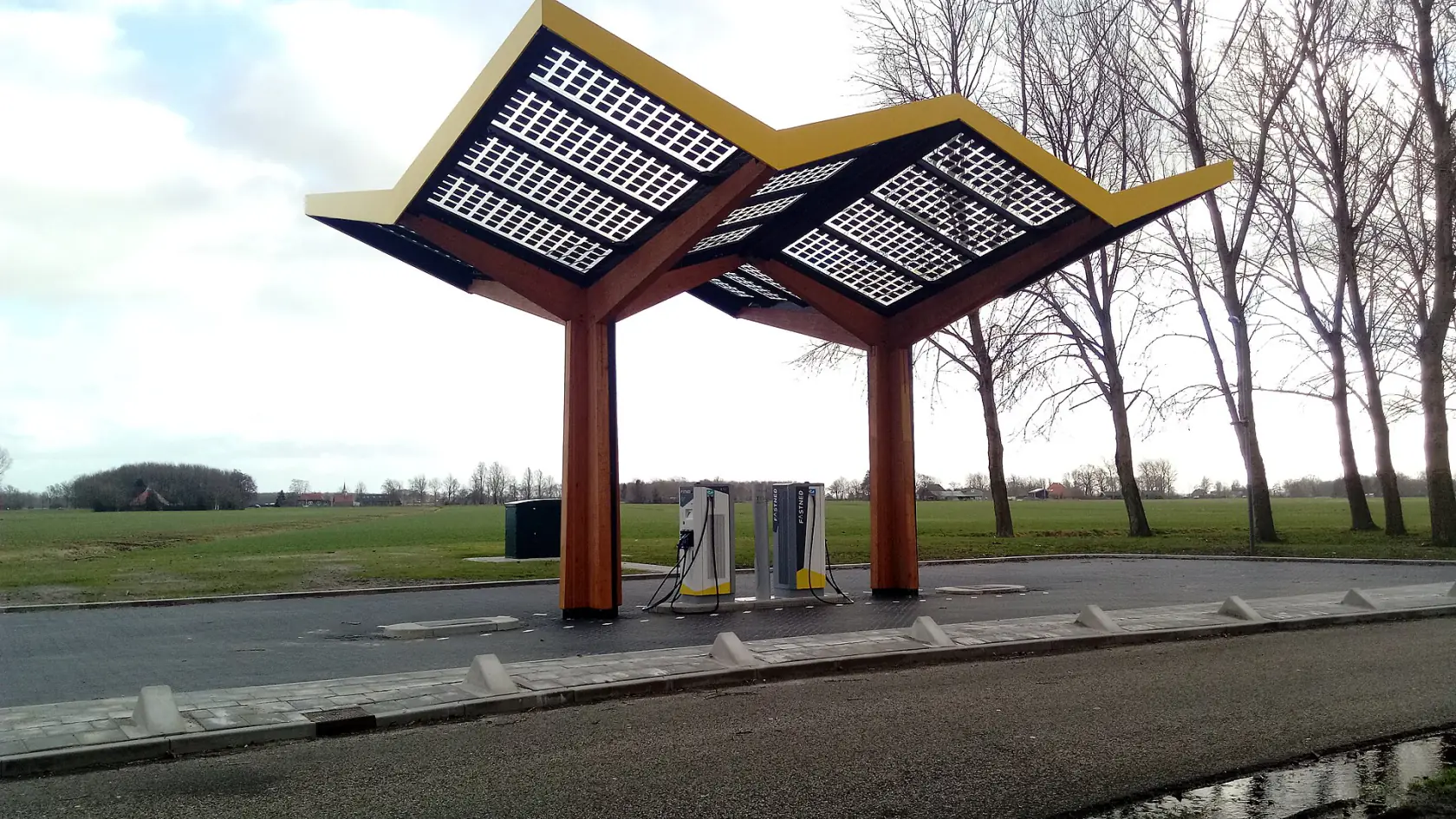
A roadside fast-charging station under a solar canopy